



Test P 100, or Testosterone Propionate 100, is a popular anabolic steroid used by bodybuilders to enhance performance and achieve muscle growth. This compound is known for its quick-acting properties, making it a favored choice among athletes looking for faster results. In this article, we will explore the benefits, usage, and potential side effects of Test P 100 in the bodybuilding community.
On the website of the sports pharmacy in England, you can easily find the Test P 100 in store for the product Test P 100.
Benefits of Test P 100
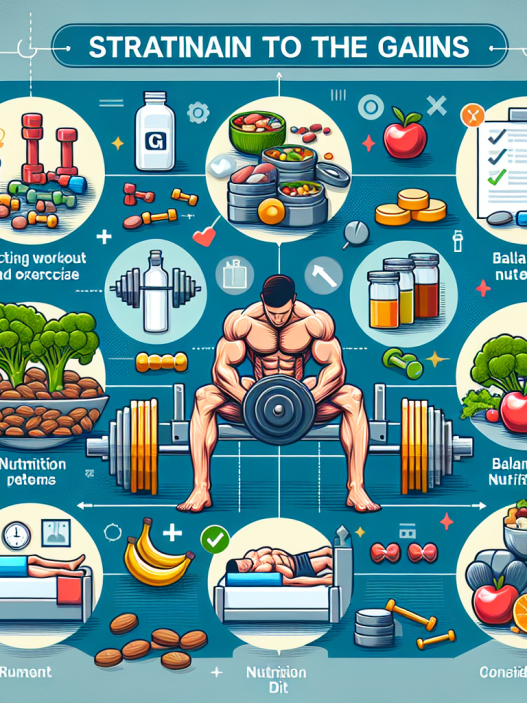
Test P 100 offers several advantages for bodybuilders, including:
- Rapid Muscle Gain: Users often report significant muscle growth within a short period due to the high androgenic properties of testosterone.
- Improved Strength: Alongside muscle mass, strength levels tend to increase, allowing athletes to perform better in the gym.
- Enhanced Recovery: Test P 100 can help reduce recovery time post-workout, enabling athletes to train more frequently.
- Fat Loss: This steroid can aid in fat loss while preserving lean muscle mass, making it ideal for cutting cycles.
How to Use Test P 100
When considering Test P 100, it is crucial to use it safely and effectively. Here are some general guidelines:
- Dosage: A typical dosage ranges between 50 to 100 mg every other day, but individuals should consult with a professional for a tailored plan.
- Cycle Length: Test P 100 cycles usually last between 6 to 12 weeks, depending on specific goals.
- Post Cycle Therapy (PCT): After completing a cycle, implementing a proper PCT is essential to restore natural testosterone levels.
Potential Side Effects
As with any steroid, Test P 100 comes with the risk of side effects. Commonly reported issues include:
- Acne and oily skin
- Hair loss in predisposed individuals
- Increased aggression or mood swings
- Potential cardiovascular strain if abused
In conclusion, while Test P 100 can provide significant benefits to bodybuilders seeking improved performance and physique, it’s essential to approach its use responsibly, considering both the potential advantages and risks involved.